
Boundary Waters
About the Boundary Waters Canoe Area Wilderness (BWCAW)
The Boundary Waters Canoe Area Wilderness or BWCAW is located in Minnesota in the northern third of the Superior National Forest. At over one million acres in size, the BWCAW extends nearly 150 miles along the international border adjacent to Canada’s Quetico Provincial Park and is bordered on the west by Voyageurs National Park. The BWCAW contains 1175 lakes varying in size from 10 to 10,000 acres, more than 1200 miles of canoe routes, 12 hiking trails and over 2000 designated campsites. The BWCAW contains the largest contiguous areas of uncut forest remaining in the eastern United States.
The BWCAW is the most heavily used wilderness in the country with approximately 250,000 visitors annually. Though it represents less than one percent of the acreage of the National Wilderness Preservation System (NWPS), it receives 10% of the use in the entire NWPS. BWCAW permits are required to canoe or camp in the Boundary Waters. Click here for more information on BWCAW permits.
1,500+
Miles of Water
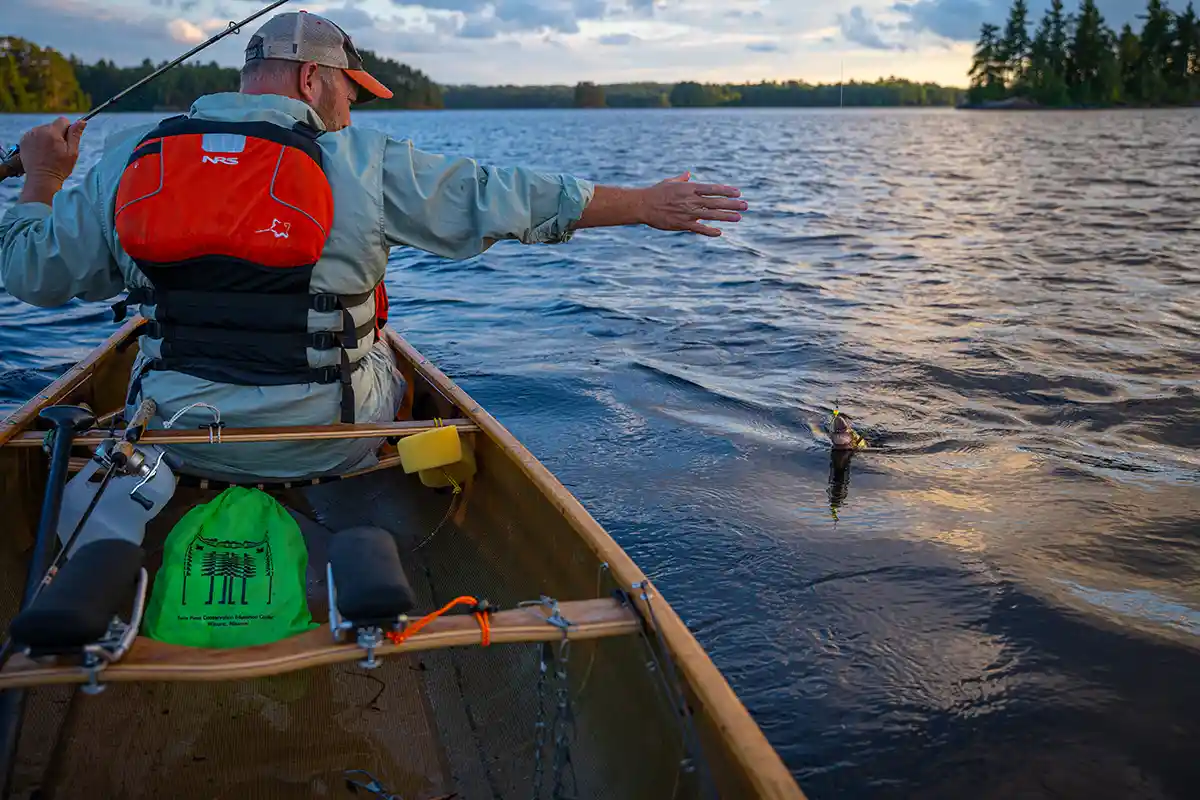
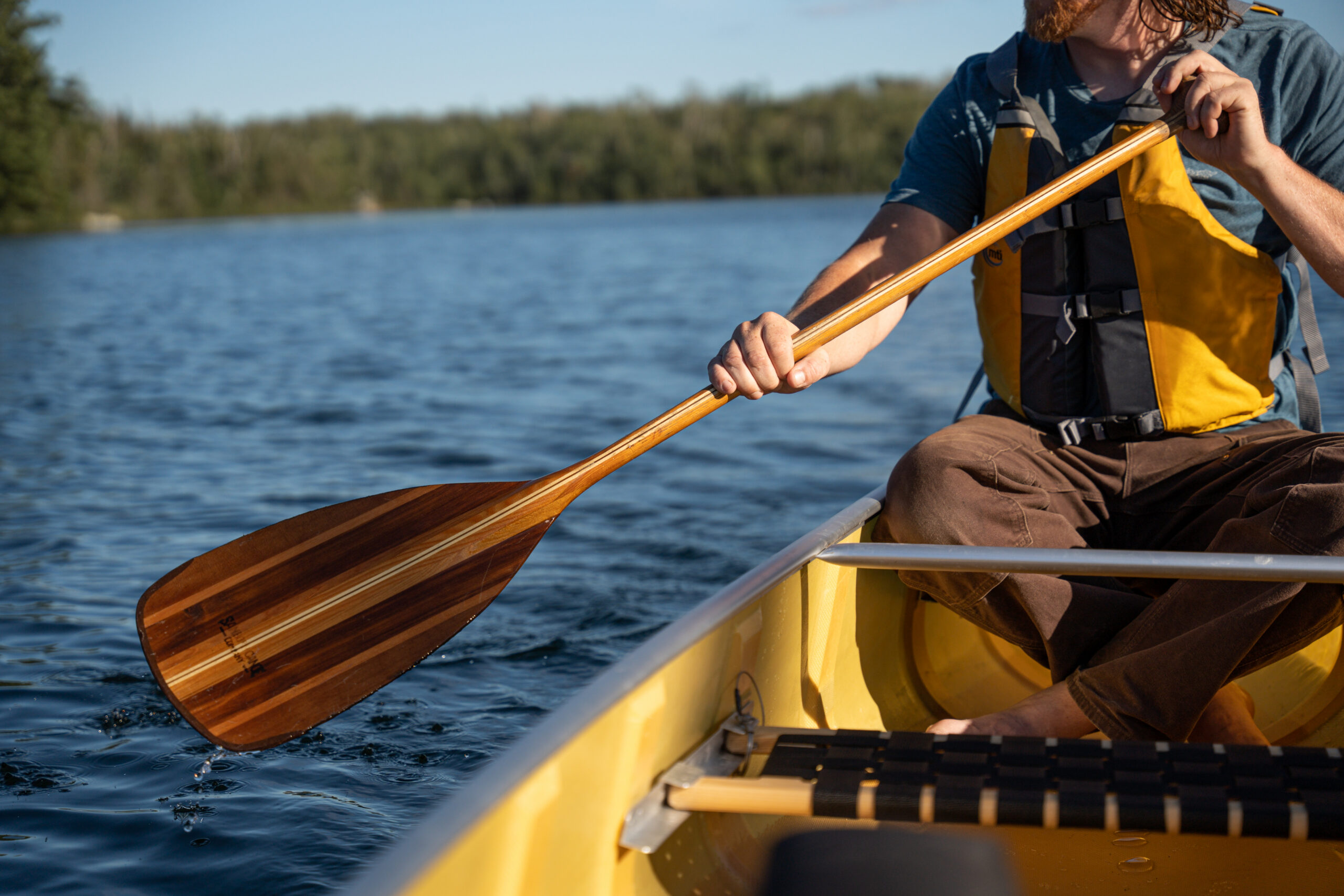
You don’t have to be an expert canoeist or outdoorsman to enjoy the BWCAW’s 1,500-plus miles of water trails. Canoe outfitters can help you design your wilderness canoe route, select campsites, supply you with all the food and equipment you will need and can even point out the best fishing spots.
In order to protect the wilderness character of the BWCAW, motors are allowed only in designated areas. Group sizes are limited, and glass and cans are prohibited. Permits, which are required to enter the BWCAW, help keep track of where and how many people are in each particular area. This enables a canoeist to see few if any other groups. Imagine a whole lake to yourself, give or take a few loons.
Good luck, have a great time, forget your problems, but be sure to remember your camera!
The BWCAW is a Class I air quality area as defined by the Federal Clean Air Act. It is the only wilderness in the country that has an airspace reservation that prohibits flights below 4,000 feet.
The wilderness offers freedom to those who wish to pursue an experience of expansive solitude, challenge and personal integration with nature.
Click here to learn about Boundary Waters Canoe Area History.
BWCAW Outfitters
Fishing
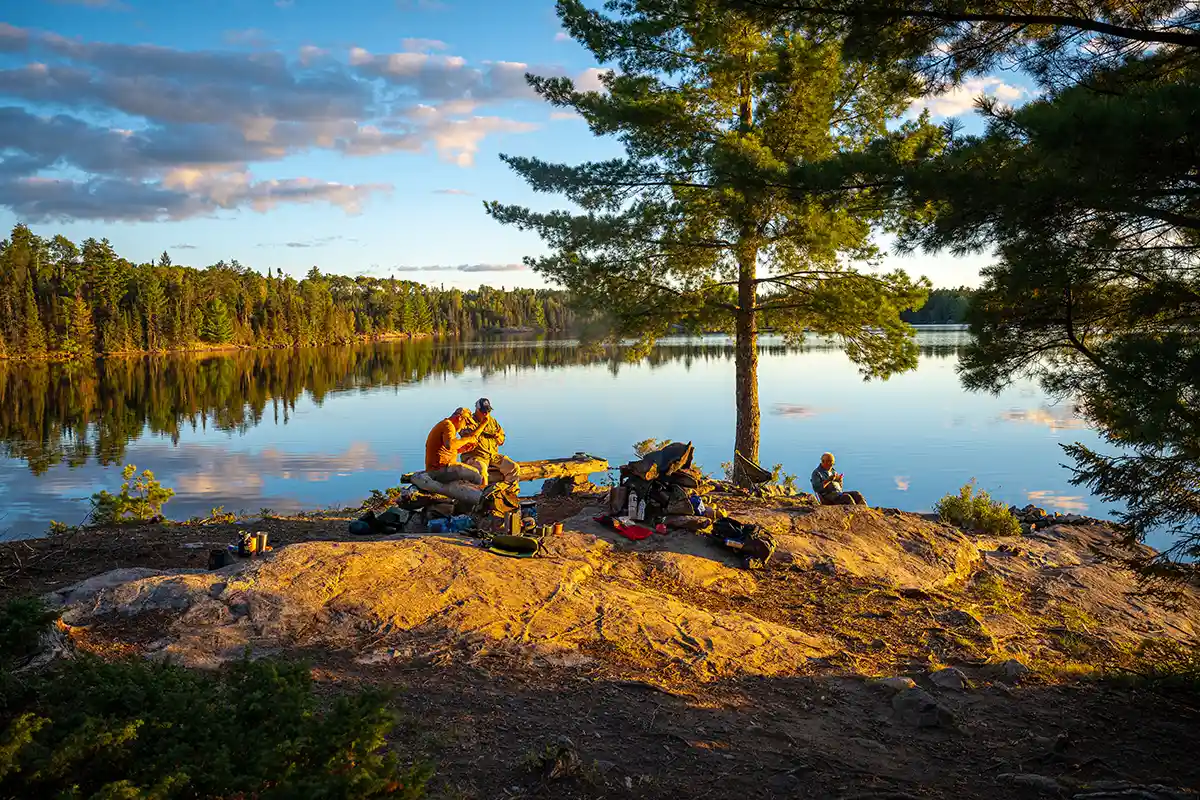
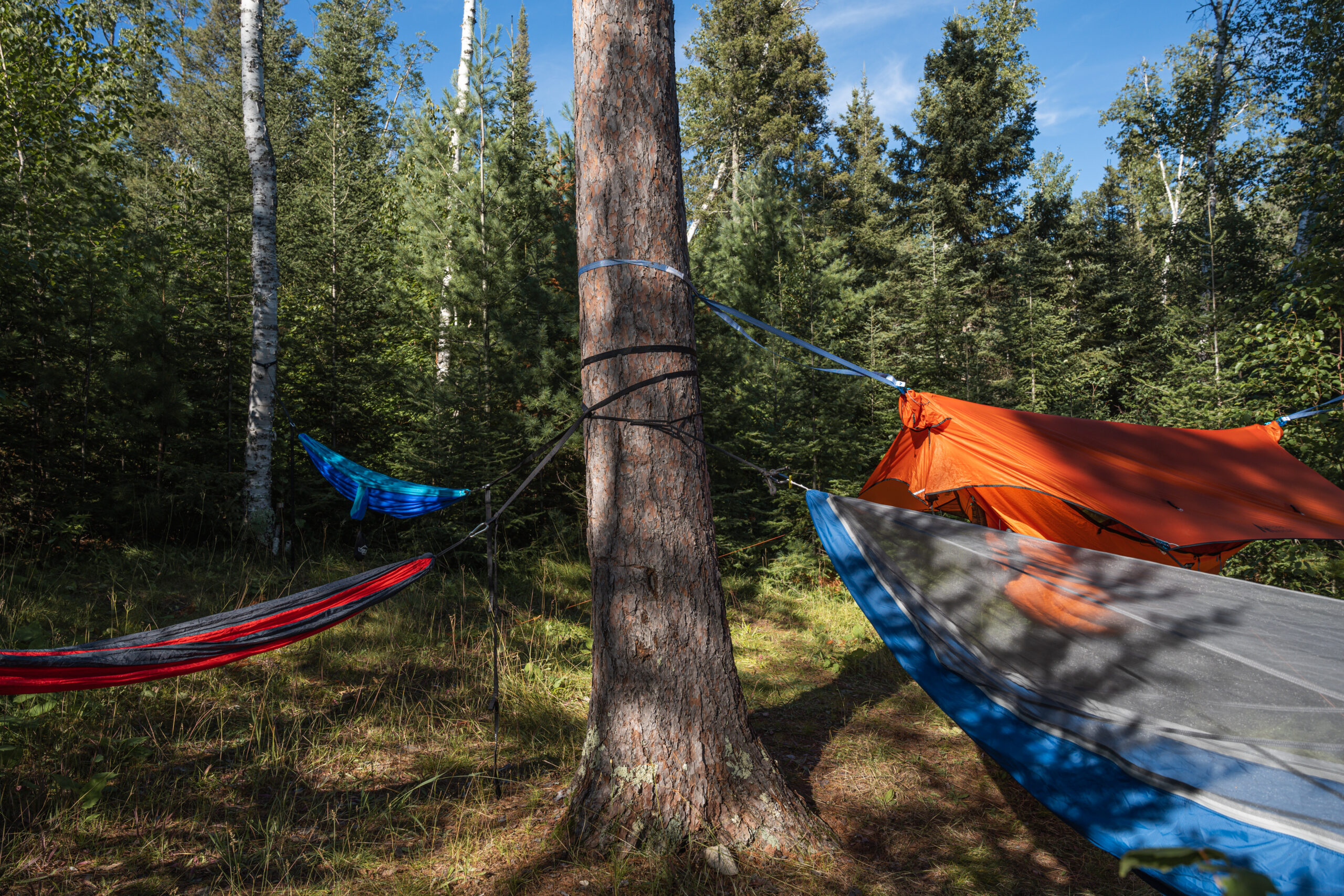
Camping
Lodging
BWCAW Entry Points
#4 Crab Lake and Cummings Lake
Access from the boat landing is 4 miles across Burntside Lake with a 360-rod portage to Crab Lake. Several trip options with additional portaging.
#6 Slim Lake
Access is a 90-rod portage to Slim Lake. Portages to three additional lakes.
#7 From Big Lake (to LaPond Lake)
Access is through Big Lake with a 160-rod portage into LaPond Lake. Limited trip options.
#19 Stuart River
Access is a 480-rod portage to the Stuart River. Many trip options with additional portages.
#20 Angleworm Lake
Access Angleworm Lake with a 640-rod portage. Some trip options with additional portages.
#22 Mudro Lake
Access is one of three portage options into Mudro Lake ranging from 20 to 185 rods. Many trip options from Mudro with additional portages.
*Restriction does not allow camping on Horse Lake. This permit is best used for those headed to Basswood Lake.
#23 Mudro Lake
Access is one of three portage route options into Mudro Lake ranging from 20 to 185 rods. Many trip options with additional portages. Use this permit if headed to Horse Lake.
#24 Fall Lake
Access is from parking area. Many trip options for paddlers including portage routes into Basswood Lake.
#25 Moose Lake
Access is from parking area. Many trip options for paddlers including a 20-rod portage route into Basswood Lake.
#26 Wood Lake
Access to Wood Lake is a 180-rod portage. Several trip options with additional portages.
#27 Snowbank Lake
Access options include boat landing or canoe launch at Snowbank Lake. Many trip options for paddlers.
#28 Snowbank Lake only
Access options include boat landing or canoe launch at Snowbank Lake.
*Must camp all nights on Snowbank Lake. Day trips to other lakes are permitted.
#29 North Kawishiwi River
Access the North Kawishiwi River through Ojibway Lake and Triangle Lake utilizing two portages. Several trip options available with additional portages.
#30 Lake One
Access is a canoe landing at Lake One. Many trip options available with additional portages.
#31 Farm Lake
Access is a boat landing on Farm Lake with access to South Farm. Paddlers access North Kawishiwi from Farm Lake. Some trip options available for paddlers with additional portages.
#32 South Kawishiwi River
Access is a 140-rod portage to the river. Some trip options available with additional portages.
#33 Little Gabbro Lake
Access is a 200-rod portage from the parking lot to Little Gabbro Lake. Several trip options available with additional portages.
#77 South Hegman Lake
Access is an 80-rod portage to South Hegman. Trip options with additional portages.
BWCAW Rules & Regulations
The following are enforceable Forest Service regulations (maximum penalty of $5,000 and/or 6 months in jail).
Source: http://www.recreation.gov
Travel Permits
- You must enter the BWCAW at the entry point on the entry date shown on your permit.
- You may not re-enter the BWCAW on a different date using the same permit.
- Permit stubs become invalid when the group leader exits the wilderness.
Group Size
- Nine (9) people and four (4) watercraft are the maximum allowed together in the wilderness.
- You may not exceed the limit at any time or anywhere (on water, portages, campsites) in the BWCAW.
- Smaller groups increase the wilderness experience and decrease negative impacts.
Toilet Facilities & Water Quality
- Use latrines at designated campsites.
- Latrines are not garbage cans and should be used for the intended purpose only. Personal waste items such as cigarette butts, cotton swabs, feminine products, diapers and plastic should always be packed out and should never go into the latrines.
- If you’re not near a latrine, dig a small hole 6 to 8 inches deep at least 200 feet or more back from the water’s edge. When finished, fill hole and cover with needles and leaves.
- Bathe and wash dishes at least 200 feet from lakes and streams.
- All soaps pollute water including soaps labeled “biodegradable.”
Containers
- Cans and glass bottles are not allowed.
- Containers of fuel, insect repellent, medicines, personal toilet articles, and other items that are not foods or beverages are the only cans and bottles you may keep in their original containers.
- Food may be packaged in plastic containers that must be packed out with you.
Food and Fish Remains
- Try to plan your meals, so you don’t have leftovers. If you do, pack them out.
- Dispose of fish remains by traveling well away from campsites, trails, portages and shorelines.
Campfires
- Fires are allowed within the steel fire grates at designated campsites or as specifically approved on your visitor’s permit.
- Bringing a small camp stove may be a better idea because it heats food quickly, has less impact than a fire, and comes in handy during rainy weather.
- Due to the potential fire danger, fire restrictions may be put into effect. Check on current conditions just prior to your trip. You may be required to use a camp stove if there is a campfire restriction.
- If you build a fire, burn only small diameter dead wood found lying on the ground. Do not burn trash.
- Collect firewood away from campsites by paddling down the shore and walking into the woods where it is more abundant.
- Wood easily broken by hand or cut with a small folding saw eliminates the need for an axe.
- Drown your fire with water any time you are going to be away from your camp or at bedtime. Stir the ashes until they are cold to the touch with a bare hand.
- Transporting wood from out of state is prohibited.
Campsites
- All members of a permit group must camp together.
- Camp only at Forest Service designated campsites that have steel fire grates and wilderness latrines.
- Make camp early in the day to ensure finding an available campsite.
- It is illegal to cut live vegetation for any reason.
- You may camp up to fourteen (14) consecutive days on a specific site.
Storing Watercraft
- Only watercraft and equipment used in connection with your current visit may be stored and left unattended.
- All equipment and personal property must be carried out with you at the end of each trip.
Cultural Heritage
- Leave archaeological, historical, and rock painting sites undisturbed.
- The use of metal detectors is prohibited.
Firearms & Fireworks
- Discharging a firearm is prohibited within 150 yards of a campsite, or occupied area, or in any manner or location that places people or property at risk of injury.
- State game laws apply in the BWCAW.
- Fireworks of any kind are illegal.
Pets
- Dogs impact wildlife and barking intrudes on the experience of others. They must be under control at all times.
- Dispose of fecal matter 200 feet from water sources, campsites, and portages, or deposit it in a latrine.
Motor-Powered Watercraft Regulations
- Motor-powered watercraft are permitted only on the following designated lakes. All other lakes or portions of lakes within the BWCAW are paddle only. Motors may not be used or be in possession on any paddle-only lake. No other motorized or mechanized equipment (including pontoon boats, sailboats, sailboards) is allowed.
- Lakes with 25 Horsepower Limit
On these lakes, or portions of these lakes, the possession of one additional motor no greater than 10 horsepower is permitted, as long as motors in use do not exceed 25 horsepower: Basswood (except that portion north of Jackfish Bay and Washington Island), Fall, Newton, Moose, Newfound, Sucker, Snowbank, South Farm, Trout. - Portage wheels: Mechanical assistance is only permitted over the following: International Boundary, Four-Mile Portage, Fall-Newton-Pipestone and Back Bay Portages into Basswood Lake, Prairie Portage, Vermilion-Trout Lake Portage.
- Lakes with 25 Horsepower Limit
Nonprofit Organizations
A group must have an official tax-exempt status to qualify as a nonprofit organization. If your permit reservation is audited, your group must be able to produce a tax-exempt number. All the people on the trip, with the exception of a guide, must be associated with the nonprofit organization. Nonprofit organizations may reserve as many permits as they like. However, there is a limit of no more than three (3) permits within a permit season to be reserved under the name of any one nonprofit organization. Additional permits may only be reserved under a specific person’s name as group leader with no association to the nonprofit organization.
The only benefit to reserving a permit having an association to a nonprofit organization’s name is that the permit may then be issued to anyone who can prove affiliation with the organization in the same location. For example, if a permit is reserved with an association to nonprofit organization “Girl Scouts, Troop 16, Chicago,” then anyone affiliated with that particular organization may have the permit issued to her/him. When reserving a permit associated with a nonprofit organization, the nonprofit organization’s name, address and a contact person for the organization is required. The customer profile must be under the contact person’s name, and the organization under profile must be set to the Nonprofit Organization. The representative of the non-profit organization that actually picks up the permit then becomes the group leader and must remain with the group for the duration of the trip, and he or she will be responsible to see that the group follows BWCAW regulations. Please contact the Forest Service office nearest your planned entry point for additional information about reserving permits and trip planning for nonprofit organizations.
User Fees & Permits
User fees are required for all overnight visitors to the BWCAW between May 1 and September 30.
User Fees Per Person Per Trip
- Adult – $16.00
- Child/Youth 0-17 – $8.00
- Interagency Senior/Access Pass Holders – $8.00
- Interagency Youth Access Pass Holders – $4.00
Boundary Waters FAQs
What is the best time for an Ely, Minnesota canoe trip?
If the prime purpose of your wilderness canoe trip is fishing, consider late May, early June or September. There are fewer people in the Boundary Waters Canoe Area Wilderness and the Quetico Park during the months of May and September. There are fewer bugs after late July.
What is the best route for canoeing in the BWCAW?
There is no best Boundary Waters Canoe route. Your route should be determined by your ability, your time and your desires. Any of our professional wilderness canoe outfitters can help you plan a Minnesota wilderness canoeing trip to meet your needs. They know the area and will take the time to mark your map noting campsites, fishing spots, rapids and portages, and scenic or historic sites.
How is the weather in the Boundary Waters Canoe Area Wilderness?
The average highs are:
- May: 69.6
- June: 71.7
- July: 79.2
- August: 72.0
- September: 63.2
Do you have any Boundary Waters permits?
The United States Forest Service will not allow outfitters to hold permits. However, the outfitters can secure all the U.S. and/or Canadian permits you need for your trip. BWCAW permits can be applied for as soon as your trip date is firm.
How are the bugs?
The blackfly and mosquito seasons are usually short-lived. There are many brands of bug repellant on the market that work well. During the bug season there are some things you can do on your trip to help the situation, and the outfitters can assist with this, i.e. choosing a campsite, etc.
What should I bring canoeing in Minnesota?
Our Ely, Minnesota canoe outfitters will supply you with everything you need for Minnesota canoeing except your personal items. You should bring an extra pair of pants, warm shirt, socks, underwear (long johns for spring and fall), jacket, cap or hat, sturdy shoes or boots, sneakers for around the camp, toiletry articles and knife. Optional items include a first aid kit, sunglasses, compass, insect repellant, flashlight, and a rainsuit. Fishing gear should include a spinning or spincast rod and reel and a few of your favorite lures.
How is the fishing in the Boundary Waters Canoe Area Wilderness?
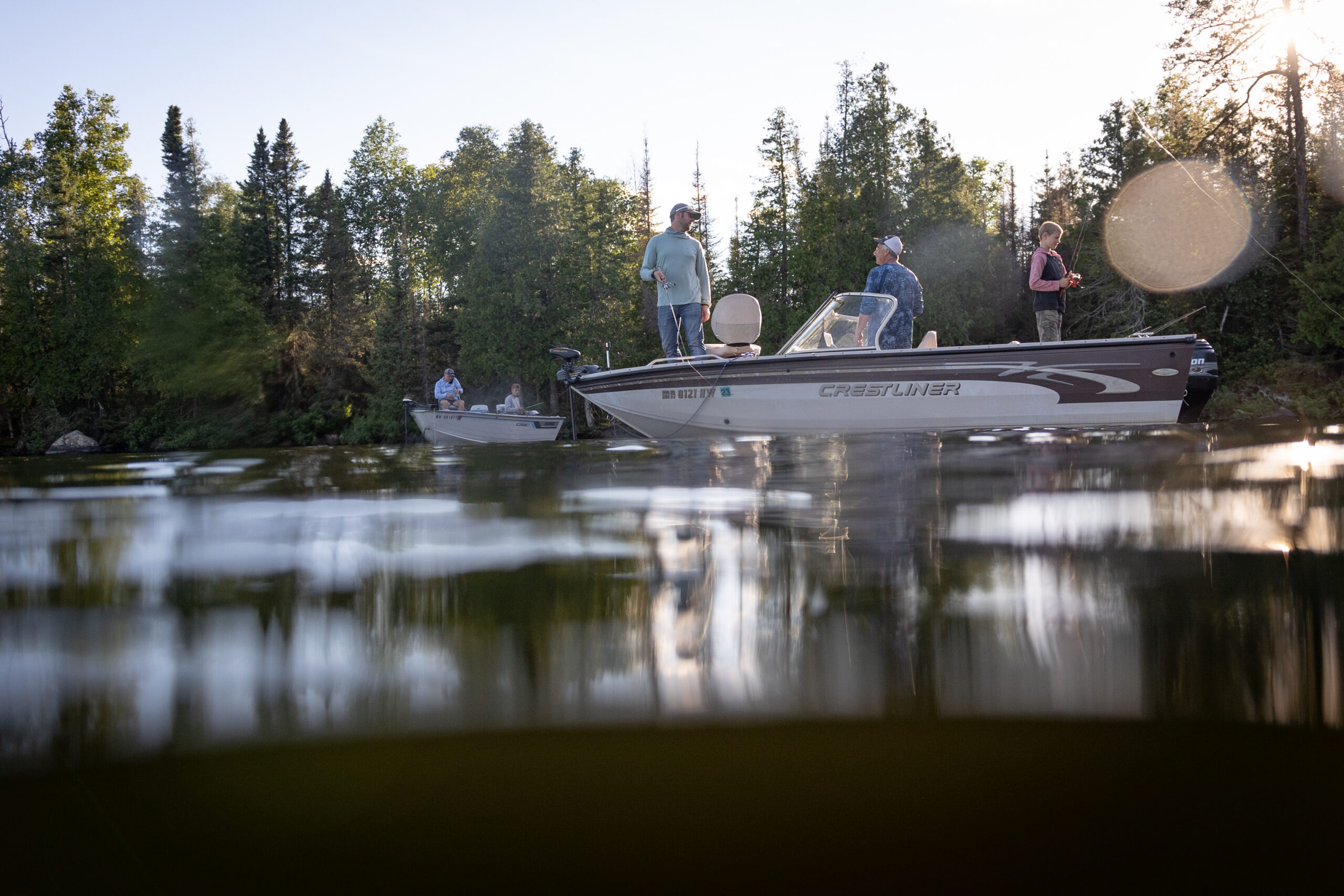
The Canadian Shield lakes of the border waters give an angler a wide variety of fishing opportunities. Minnesota fishing experts attest to the fact that the smallmouth bass fishing can’t be matched anywhere. The deep cold lakes are home to lake trout. Every lake has northern pike waiting to give you a battle while walleyes are sitting on the reefs ready to fill your frying pan . Don’t overlook the slab-sized panfish. Spring and fall fishing is usually the best, although because there is very little fishing pressure on most of the lakes, fish can be caught at any time.
Why use an outfitter for BWCAW canoe trips?
Ely, Minnesota currently boasts 22 professional canoe trip outfitters. More than just canoe & camping gear renters, an outfitter is an outdoor recreation professional. They are biologists, historians and woods-wise guides whose knowledge and love of this area will add immensely to the pleasure you’ll have on your boundary waters canoe trip.
An Ely, Minnesota outfitter will make your wilderness canoe trip worry-free by providing you with advice and specially designed lightweight food supplies and equipment. Just climb into your canoe and enjoy the scenery. A canoe trip in the Boundary Waters Canoe Area Wilderness can be one of the most rewarding and adventurous vacations you ever take. Combine the breathtaking beauty, wildlife, fishing and just plain fun of camping, and you’ll have memories of the canoe country to last a lifetime.
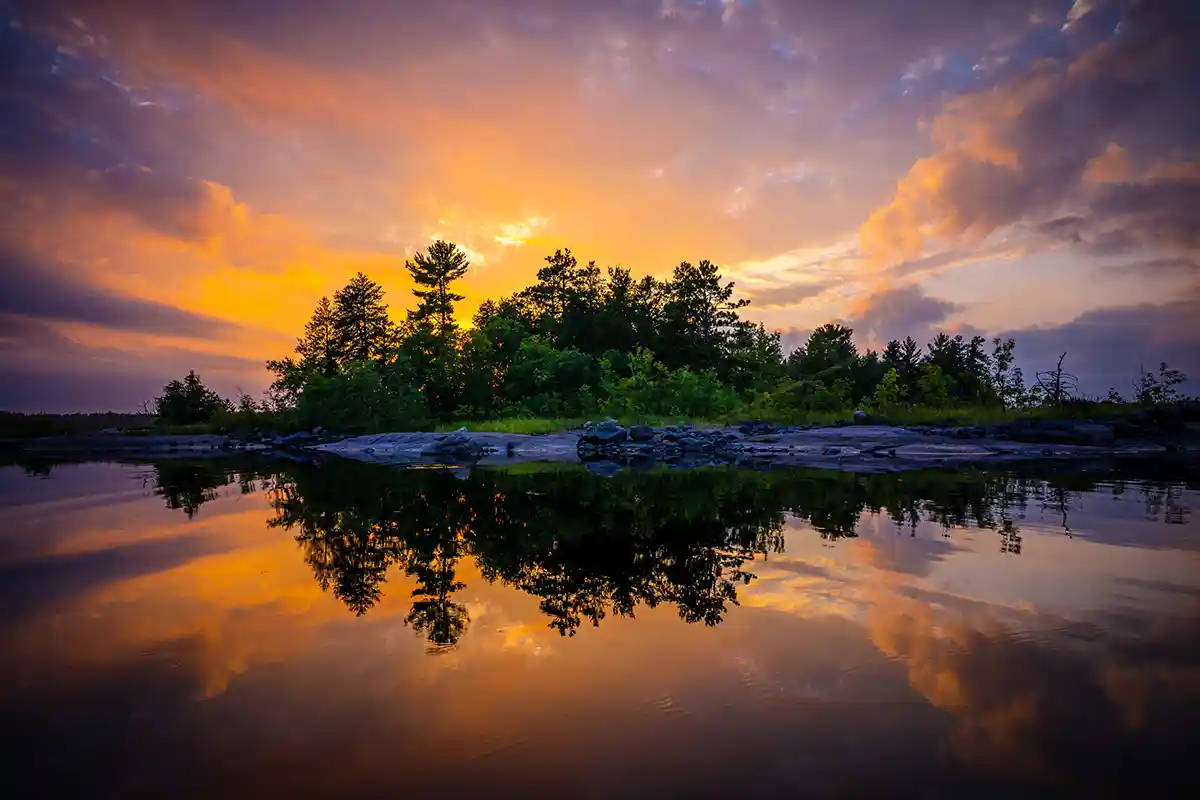
Imagine the view of a summer sunset across a remote Minnesota lake with the haunting cries of a loon serenading you to sleep each night. Maybe you’ll see the northern lights from a campsite that was seemingly untouched when you landed your canoe. For many, the BWCAW means quality wilderness fishing. Your outfitter can let you know what’s biting on what lake. Fishing pressure is light on most lakes, and a short portage off the regular routes could put you into a lakes that are seldom visited or fished!
If you want a wilderness vacation where you can relish the beauty and peacefulness of one of America’s most natural areas, escape the crowds and come to Ely. Call or email an Ely, Minnesota outfitter and take home a real sense of accomplishment from your next wilderness canoeing vacation.